


Product Applications:
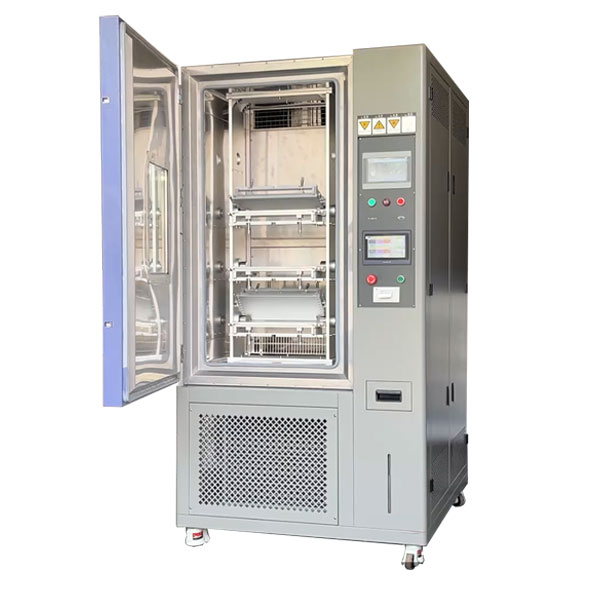
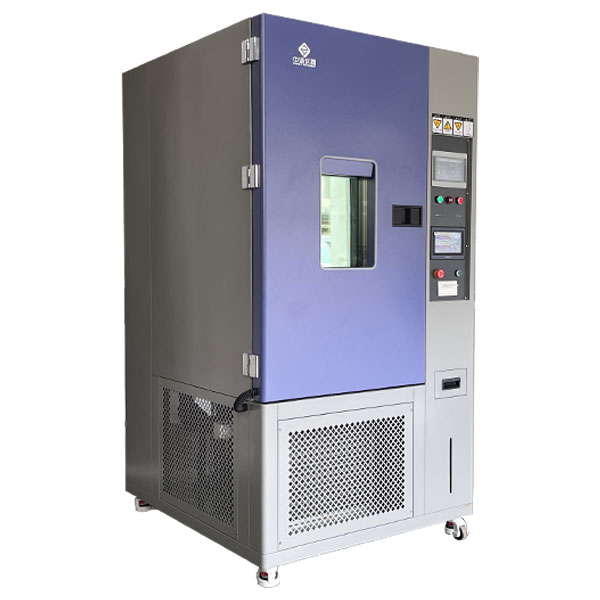
The ZY-H201-RX6 Flexible Display High-Low Temperature Bending Tester is a specialized device designed to evaluate the bending performance and reliability of flexible displays and related flexible materials under varying temperature conditions. It is widely used for flex-bending tests on flexible materials such as FFC, FPC, TP, flexible circuit boards, flexible films, flexible displays, graphene, and flexible panels. The system of the flexible display high-low temperature bending tester utilizes touchscreen-to-PLC communication, allowing for the customization of temperature, humidity, cycle count, speed, and angle according to specific requirements.
Product Principle:
The ZY-H201-RX6 High-Low Temperature Bending Tester utilizes highly stable platinum PT-100 temperature sensors, an LCD touchscreen with Chinese and English interfaces, and multiple PID control functions. It is equipped with an RS-232C/485C interface for computer-based control and can simulate various environmental conditions such as high temperature and high humidity, high temperature and low humidity, low-temperature high-humidity, high-temperature, and low-temperature conditions. It is further equipped with easy-to-operate and learn, high-accuracy programmable and fixed-point control systems, delivering optimal testing performance. It is widely applicable in the flexible display industry.
Product Features:
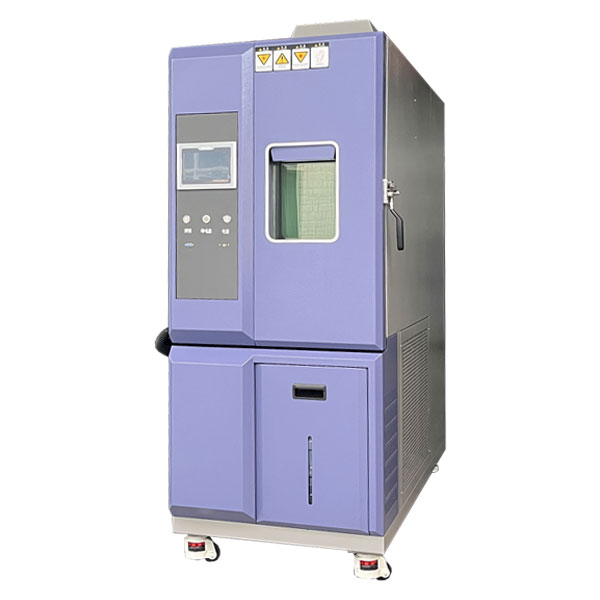
Curved design with a matte finish for a premium look; features a flush, non-reactive handle for easy, safe, and reliable operation; Fully enclosed structure with a powerful circulation motor and a low-noise refrigeration system; equipped with anti-vibration pads to ensure quiet and stable operation; features a powered test function for test specimens (load testing); incorporates LED window lighting and a built-in high-temperature defogging system for easy observation of test conditions inside the chamber; equipped with multiple safety protection mechanisms for reliable and safe performance.
Bending Mechanism:
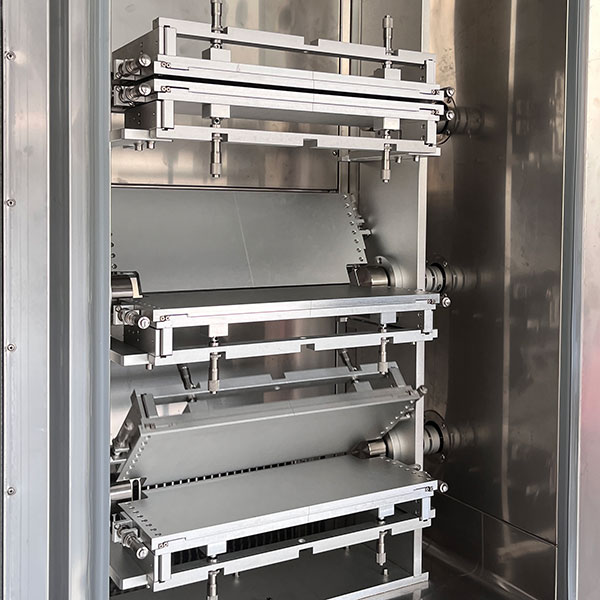
2.2.1. Drive System: A servo motor drives a synchronous toothed belt, causing the inner and outer bending actuators to repeatedly perform a folding motion. This enables bending tests on flexible materials secured in the fixture. The motor is mounted outside the test chamber.
2.2.2. Fixture: Consists of two flat plates, each measuring 150 × 150 mm, with six workstations. The angle of the plates is adjustable.
2.2.3. Bending Angle: Can be set to any value between 0 and 180°.
2.2.4. Bending Radius: R1 mm × 4, R1.5 mm × 2
2.2.5. Bending Speed: 5–60 cycles per minute, flexibly adjustable according to testing requirements.
2.2.5. Control: Microcomputer and integrated circuit control, automatic measurement and control, 7-inch display.
Applications:
The ZY-H201-RX6 high-low temperature bending tester sits at the intersection of six industries and tests a wide spectrum of flexible materials. Spanning –40°C to +150°C with six independent stations, it covers everything from early-stage material R&D through to production-line quality control.
Consumer electronics — foldable phones, tablets, wearables
Automotive — curved dashboards, center-console touch panels
Aerospace — satellite displays, flexible antenna substrates
Medical — biosensors, electronic skin patches, wearable monitors
R&D labs — new material screening and fatigue benchmarking
Display manufacturing — incoming QC and production-line sampling
Materials
OLED flexible displays — pixel integrity, delamination, dead spots
FPC (flexible printed circuits) — trace continuity, solder-joint fatigue
UTG (ultra-thin glass) — micro-crack growth, brittle fracture
PI films (polyimide) — creep deformation, dielectric breakdown
Graphene / CNT films — sheet resistance drift, coating adhesion
OCA (adhesive layers) — peel strength, bubble formation
Metal mesh / ITO films — conductive crack density, resistance spikes
Common Test Scenarios:
–20°C cold folding → detects brittle fracture and hinge stiffness
+85°C + 85% humidity → exposes adhesive softening and display yellowing
+60°C + 95% humidity → attacks corrosion on copper traces and interface delamination
–40°C ↔ +85°C thermal cycling → reveals CTE mismatch stress
1,000,000+ cycles at room temperature → baseline endurance curve for warranty data

 豫公网安备41032502000206号