

Product Overview:
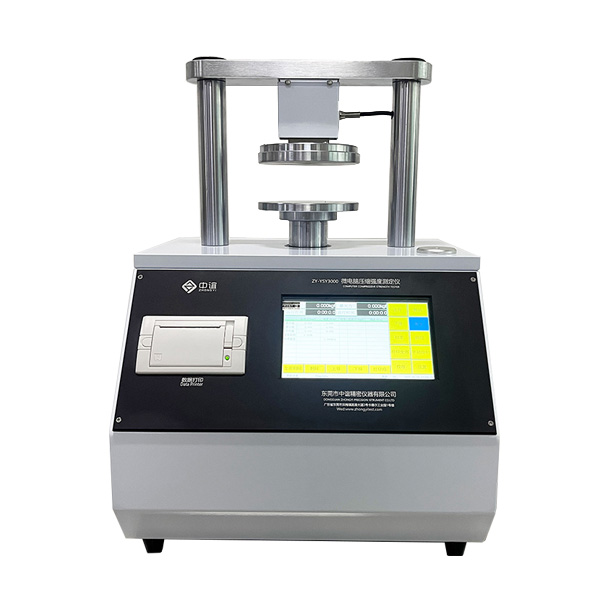
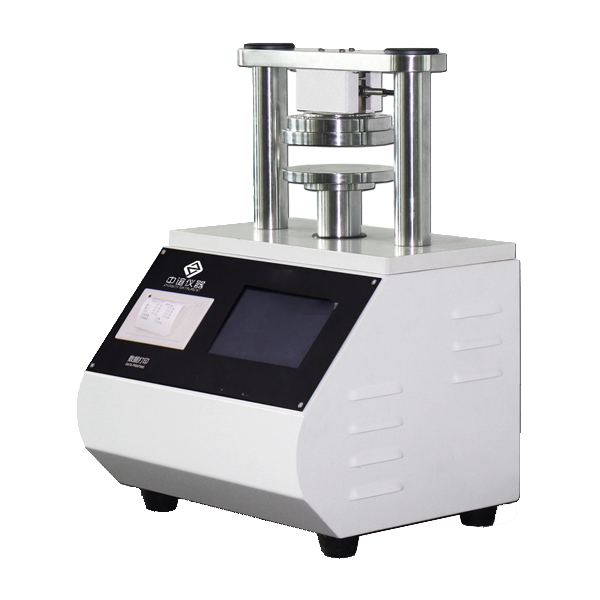
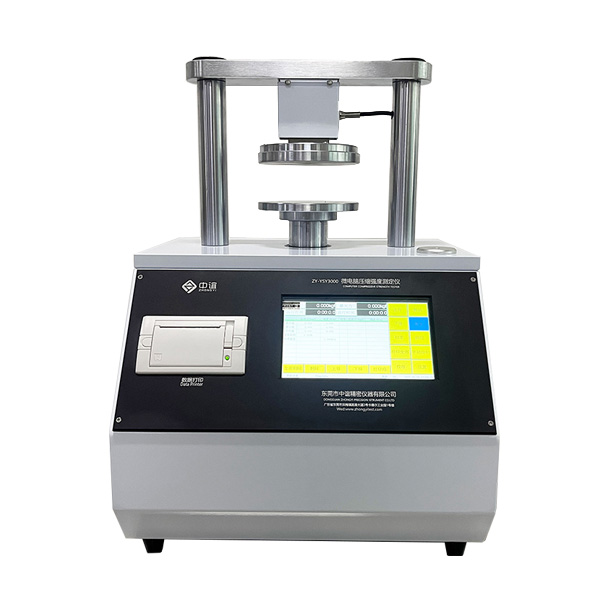
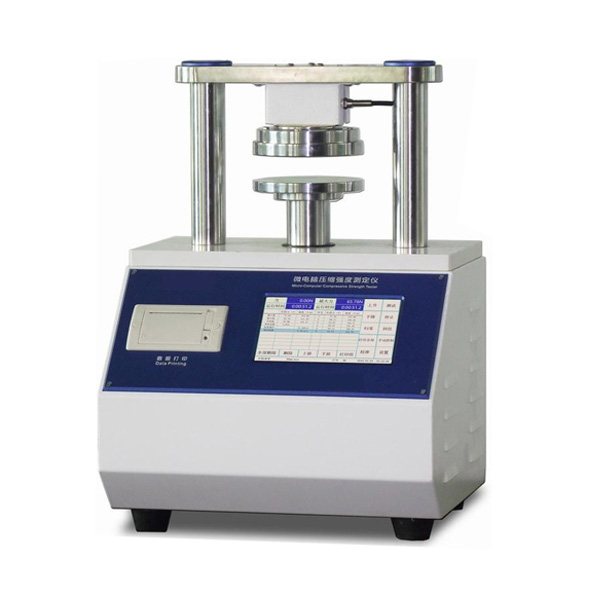
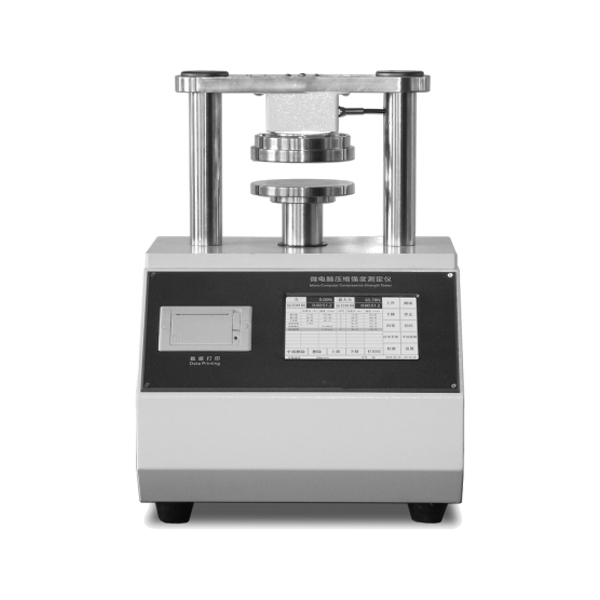
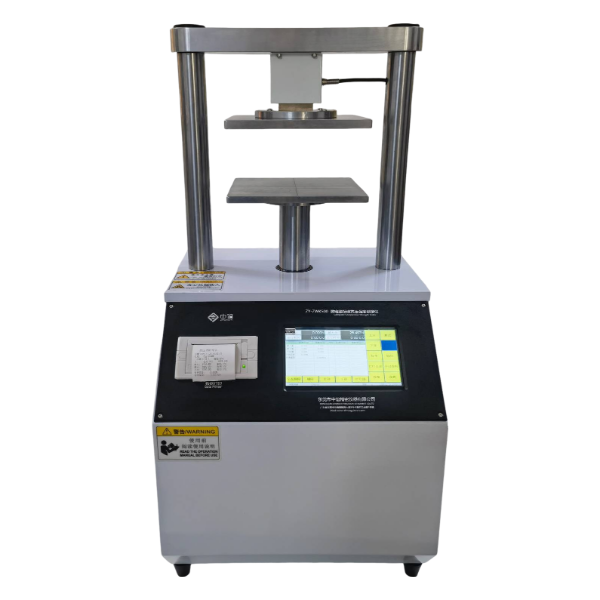
The ZY-YSY3000 Edge Crush Tester (ECT) is commonly referred to as a “compressive strength tester” in the paper and packaging industries. It is one of the most essential pieces of equipment for evaluating the quality of corrugated board.
The Edge Crush Tester (ECT) is a specialized instrument used to measure the vertical compressive strength of corrugated board edges. ECT is the most critical physical indicator determining the Box Compression Test (BCT) value. Through this test, manufacturers can accurately predict the load-bearing limit of finished cartons during vertical stacking, allowing them to optimize paper combinations and reduce packaging costs.
Test Principle:
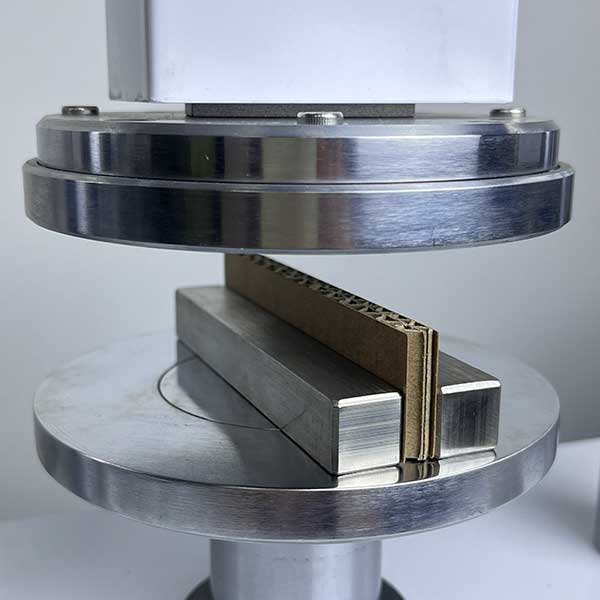
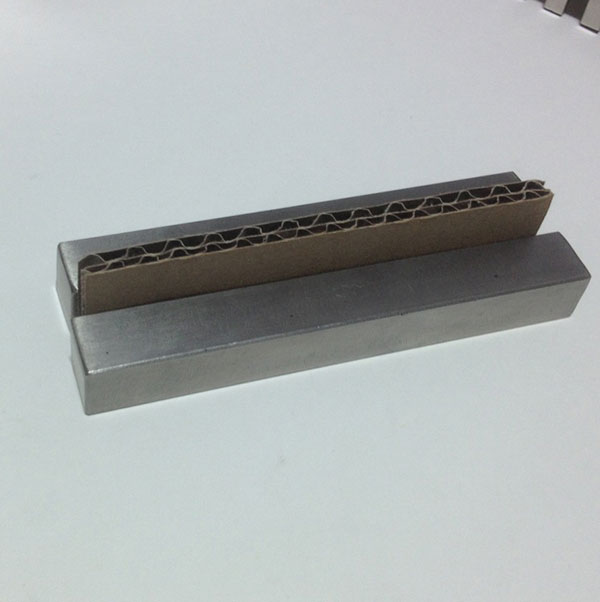
A rectangular cardboard specimen is placed between the two platen plates of the compression tester, with the corrugation direction of the specimen perpendicular to the platen plates. Pressure is then applied to the specimen until it collapses, and the maximum pressure the cardboard specimen can withstand is determined.
Standard Reference:
GB/T 2679.8 “Determination of Ring Crush Strength of Paper and Paperboard”
GB/T 6548 “Test Method for Adhesive Strength of Corrugated Board”
GB/T 6546 “Test Method for Edge Crush Strength of Corrugated Board”
GB/T 2679.6 “Determination of Flat Compressive Strength of Corrugating Medium”
ISO 12192 “Determination of Compressive Strength of Paper and Paperboard”
CMT: ISO 7263, TAPPI T809
CCT: TAPPI T843
Multi-Functional Testing Capabilities:
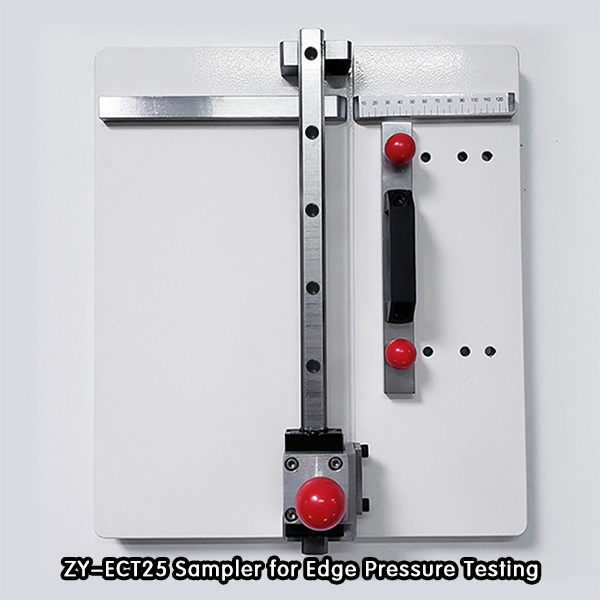
Zhongyi Instruments' Edge Crush Tester is not limited to edge crush testing; when used with various auxiliary fixtures, it can perform:
- ECT (Edge Crush Test): Evaluating vertical compression in the flute direction.
- RCT (Ring Crush Test): Testing the circumferential compression strength of base paper.
- PAT (Pin Adhesion Test): Measuring the peel force between corrugated medium and liner.
- FCT (Flat Crush Test): Evaluating the deformation resistance of corrugated board under flat pressure.
Key Technical Features:
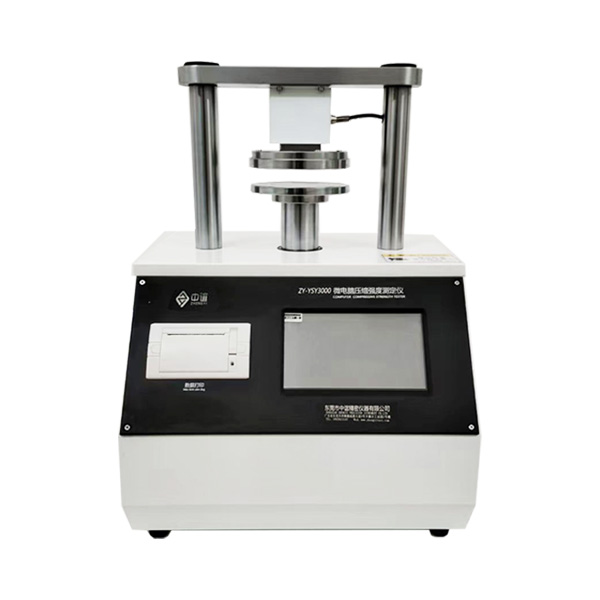
This instrument is a multifunctional main unit; users can order the appropriate accessories separately based on their specific needs. It is designed for various strength tests on base paper and corrugated board, utilizing touchscreen control technology. It features statistical processing of test data and supports print output.
- The instrument employs microcomputer-based automatic measurement and control, offering high precision and stable, reliable performance.
- Compared to existing domestic instruments of the same type, this model features a shared main unit and control box. The drive system employs a combination of worm gear reduction and a synchronous motor, resulting in a simplified and intuitive overall design.
- The instrument features a 7-inch touchscreen display with a Chinese menu interface. During testing, it displays real-time test values—including maximum peak force, current force, and test data—in real time.
- It automatically measures specimens and locks test results, including maximum peak force, displacement, maximum value, minimum value, and average value, for analysis by testing personnel.
- Data memory: 99-set storage capacity, providing robust storage capabilities.
- Multiple safety features: Data retention upon shutdown or power failure, data retrieval, printing, travel limit protection, overload protection, automatic reset, fault alarm alerts, and sensor nonlinearity correction. These features effectively ensure safe and convenient operation for users.
- Three units freely switchable, with conversion function: N (Newtons), kgf (kilogram-force), lbf (pounds-force).
- Thermal printer: Uses a thermal printer cartridge imported from Japan, eliminating the need for a ribbon and the hassle of replacing ribbons or refilling ink, significantly reducing failure rates while achieving high-speed, low-noise printing.
- Real-time clock: The time is displayed on test results during printing (powering on and off does not affect the time; once set, it remains valid for long-term use).
- Operation and display interface: Features a high-tech color LCD touchscreen display module with two modes—digital display and curve display (switchable at any time).
- Machine structure and exterior: Finished with a high-quality baked paint coating, offering an elegant and durable appearance.
Scope of Application:
Ring Crush Test (RCT): Suitable for testing the ring crush strength of corrugated base paper, core paper, and paper used in packaging and printing
Edge Crush Test (ECT): Suitable for testing the edge crush strength of corrugated boxes, linerboard, corrugated fiberboard, and similar materials
Adhesion Test (PAT): Suitable for testing the adhesion strength between the liner and face layers of A/B/C/E fluted corrugated board
Flat Crush Test (FCT): Suitable for flat crush testing of corrugated paper, corrugated board, paper tubes, and color boxes

 豫公网安备41032502000206号