

Room 209, Building 1, No. 3 Shugang Avenue, Hongmei Town, Dongguan City, Guangdong Province.

Global Supplier of Material Physical Property Testing Instruments5000+ customer deliverables worldwide
National consultation hotline:139-2293-2385

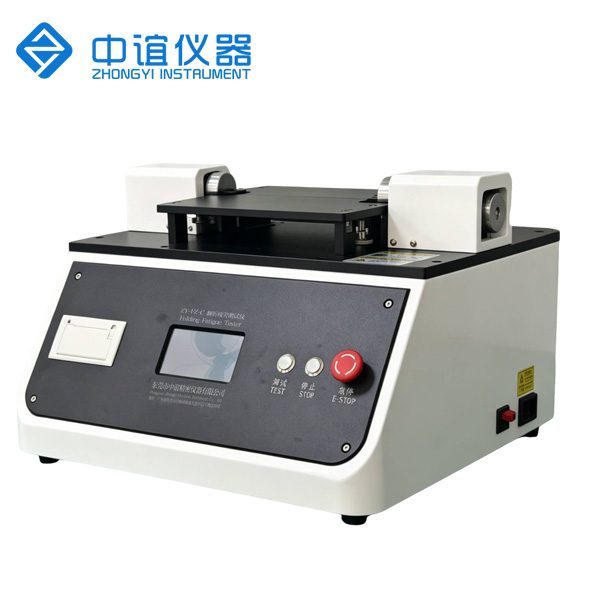
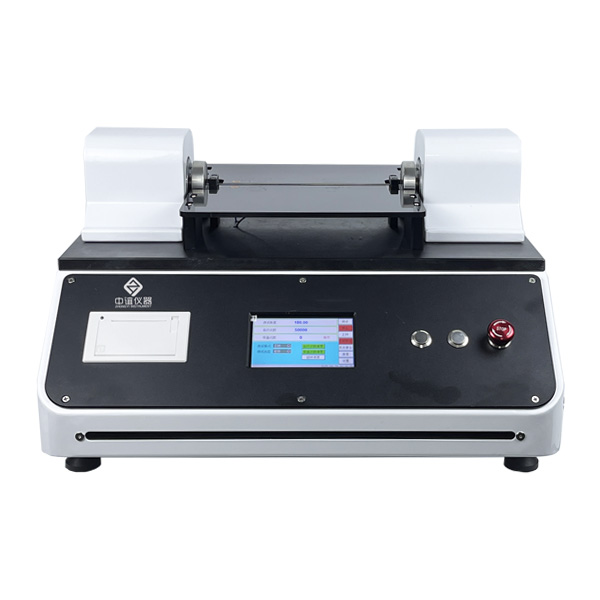
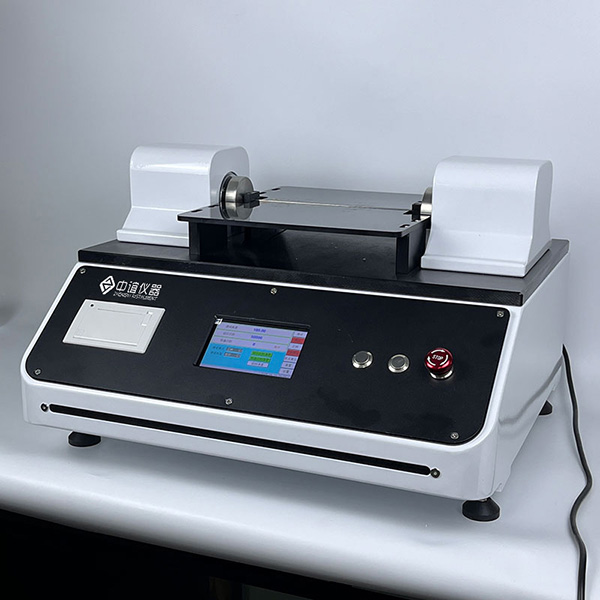
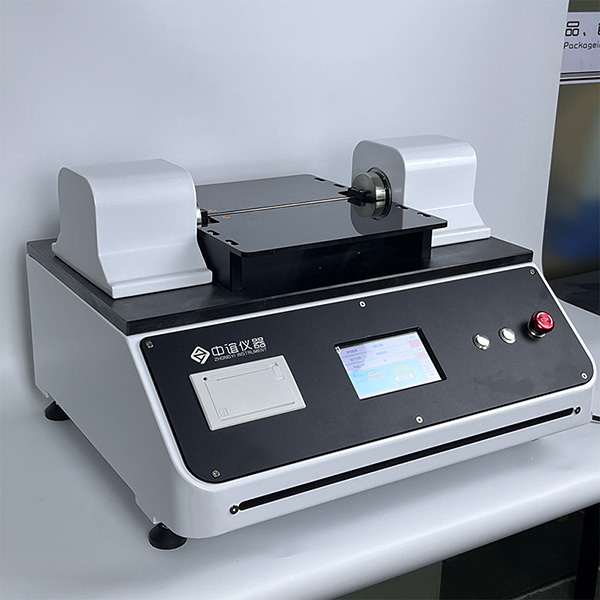
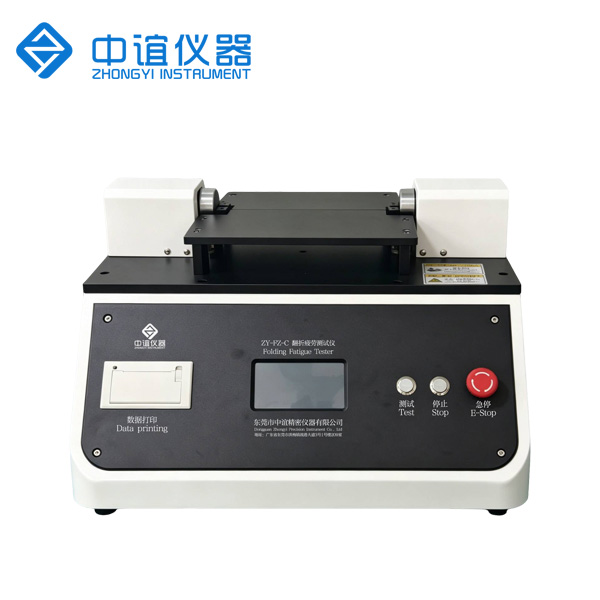
FPC Bending Fatigue Tester ZY-FZ-C

Safe and reliable
Well-crafted
Custom design
Quality Assurance
Free service hotline 139-2293-2385
  • Product Details
  • Technical Specifications
  • FAQ
  • Contact Us

Applications of the Fold Test Machine:

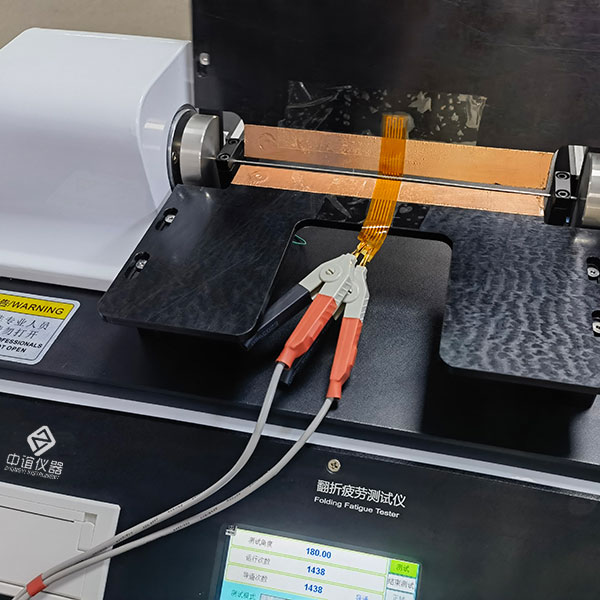
The FPC Bending Fatigue Tester is primarily used to simulate the stress conditions experienced by flexible substrates (such as FPCs, UTG glass, and graphene materials) during repeated bending, thereby determining the maximum number of folds before failure (0–99,999,999 cycles, presettable). This machine features a touchscreen interface for setup and display, performing repeated folding tests under specified conditions regarding the radius of the bending rod, number of cycles, speed, and angle. Test parameters such as the specimen’s orientation (longitudinal or transverse), tension level, test speed, and number of cycles can be configured according to specific testing requirements.

Core Technical Advantages:

  1. This machine incorporates a conductivity testing module to monitor the electrical conductivity of flexible printed circuits in real time during dynamic folding, detect open circuits or abnormal resistance points, and evaluate the durability of flexible display and foldable display hinge structures.
  2. This machine supports multi-angle (0–180° stepless adjustment) and multi-mode testing (single-sided folding, double-sided folding), accommodating the requirements of various product designs.
  3. It allows for the configuration of parameters such as angle, cycle count, and speed, and features conductivity testing, automatic stop-counting upon detection of an open circuit, and automatic origin detection.

Scope of Application for Flexible Material Bending Testers:

  1. Flex life testing of flexible displays: Verification of hinge designs for electronic products such as mobile phones, PDAs, electronic dictionaries, and laptops.
  2. Durability testing of FPCs: Analysis of mechanical and electrical performance degradation of FFCs under dynamic bending.
  3. Comparison of fatigue resistance in emerging flexible materials such as graphene and UTG (ultra-thin glass).
  4. Research on failure modes (e.g., delamination and cracking) in composite films (such as PI substrates) after bending.
WhatsAppXFacebookCopy link
Parameter Specification
Power Supply Voltage AC 220 V ±10%, 50 Hz


(AC 110 V ±10%, 60 Hz optional)

Operating Environment Temperature: 10–35 °C, Relative Humidity: ≤85%
Display 5-inch color dot-matrix touchscreen
Test Area 7 ±0.05 cm²
Measurement Range 0–180° (adjustable via touchscreen)
Test Count 0–99,999 times
Test Speed 5–65 times/min
Printing & Bend Radius Thermal printer;


R1 mm, R1.5 mm, R2 mm round rods

Dimensions 580 × 490 × 360 mm
Net Weight & Dwell Time Approx. 35 kg;


Dwell Time: 0–99 s adjustable

Folding Platform 200 × 150 mm, front & rear dual platforms

Q1: How does the "Conductivity Monitoring" feature work during a fatigue test?

Our FPC Bending Fatigue Testers feature an integrated resistance monitoring system. By connecting the FPC sample to the test circuit, the machine monitors electrical continuity in real-time. If a micro-crack develops and the circuit breaks or exceeds a preset resistance threshold, the machine will stop automatically and record the exact number of cycles, providing critical "cycles-to-failure" data for R&D. 

Q2: Can the machine test multiple samples simultaneously?

Yes. We offer customizable multi-station FPC bending testers (available with 3, 5, or 10 stations). Each station is equipped with an independent sensing circuit and counter. This allows you to test multiple duplicate samples of the same design or different samples simultaneously, significantly increasing laboratory throughput and enhancing the statistical reliability of fatigue life data.

Q3: What are the adjustable parameters for a standard FPC test?

For comprehensive reliability testing, our testers allow full control over:

  • Bending Angle: Fully adjustable (e.g., ±0° to ±180°).
  • Bending Radius (R): Interchangeable fixtures allow for various radii to match your design specs.
  • Testing Speed: Range from 10 to 65 cycles per minute.
  • Number of bends: Fully adjustable; the number of test cycles can be set as required

Please complete the information immediately to enjoy our exclusive services!

NumberNumber

Service Hotline:
139-2293-2385

WeChatWeChat
WeChat
WhatsAPPWhatsAPP
WhatsAPP