

Deep Dive into Bursting Strength Testing: A Technical Guide for Packaging Safety
发布时间:2026-05-23 分类:Technical Articles 浏览量:28
In the packaging and papermaking industries, Bursting Strength is one of the most critical indicators for measuring a material's physical performance. Whether for international trade or domestic logistics, understanding the ultimate strength of a material under pressure is essential to reducing transportation losses. This article provides a deep technical analysis of this key test.
1、What is the Mullen Test?
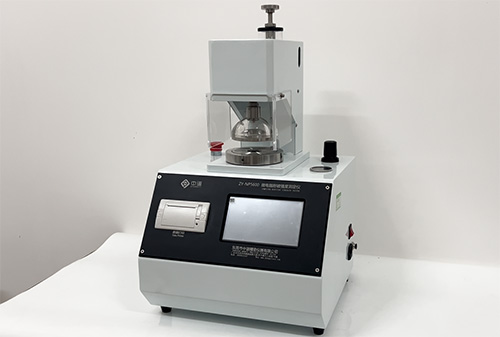
Bursting strength testing is academically known as the Mullen Test. It is defined as the maximum pressure a material can withstand under an increasing hydraulic force applied perpendicular to its surface until it ruptures.
- Test Subjects: Primarily paper, corrugated board, aluminum foil, textiles, and leather.
- Units: Usually expressed in kilopascals (kPa), pounds per square inch (psi), or kilograms per square centimeter (kg/cm²).
2、Technical Principle: Hydraulic Power & Diaphragm
he core of a bursting strength tester lies in its hydraulic system. During the test, the specimen is clamped between two annular plates, with a flexible rubber diaphragm located beneath the lower plate.
- Hydraulic Drive: The machine injects glycerin or silicone oil at a constant rate.
- Diaphragm Expansion: Hydraulic pressure pushes the diaphragm upward against the specimen.
- Peak Recording: At the moment of rupture, the system records the peak hydraulic pressure and subtracts the diaphragm's own resistance to calculate the net bursting strength.
3、Core Standards:ISO 2758 vs ISO 2759
To ensure international credibility, specific testing standards must be followed:
- ISO 2758 (Paper): Applicable to single-layer paper with bursting strength between 70kPa and 1400kPa.
- ISO 2759 (Board): Applicable to corrugated board, paperboard, and multi-layer paper with strength between 350kPa and 5500kPa.
- ASTM D3786: The standard test method specifically for textile fabrics.
4、Key Factors Affecting Accuracy
- Clamping Pressure: If the pressure is insufficient, the specimen may slip, leading to falsely high readings; if excessive, it may damage the fibers.
- Air Bubbles: Air trapped in the hydraulic system causes unstable pressure transmission and significant data fluctuations.
- Diaphragm Condition: An aging, hardened, or cracked diaphragm alters its inherent resistance and must be replaced regularly.
5、Maintenance & Calibration Tips
To maintain high precision, Zhongyi Instruments recommends:
- Daily Calibration: Use the standard aluminum foil calibration sheets provided to verify zero points and measurement accuracy.
- Oil Management: Regularly check if the glycerin is cloudy or depleted; replace and bleed the air as necessary.
- Grip Cleaning: Prevent paper scraps or impurities from entering the hydraulic chamber.

 豫公网安备41032502000206号